Whoa! Okay, so check this out—I’ve tried a lot of wallets. My instinct said most of them miss the small but critical UX and safety bits that matter when you actually move value. At first I trusted browser pop-ups and vague gas estimates. Actually, wait—let me rephrase that: I tolerated them, and that was dumb.
Seriously? Here’s the thing: if you’re a DeFi power user you already know slip-ups cost real money. On one hand it’s exciting to hop chains and chase yields, though actually the friction and risk multiply fast when you do. Something felt off about signing every transaction without seeing what would happen first. So I started looking for a different kind of interface that treats simulation as a first-class feature.
Whoa! I landed on a multi-chain Chrome extension that starts with transaction simulation and builds security into the workflow. My first impression was: slick UI. But then I dug into the transaction preview and gas breakdowns and that changed my mind about how safe my sessions actually were. Initially I thought a simulation was just a cosmetic preview, but then realized it can actually prevent bad approvals and contract traps.
Hmm… You can watch token approvals before you sign, compare the exact calldata, and even simulate reverts locally. That matters because many hacks and rug pulls start with opaque approvals. I’ll be honest—this part bugs me. I lost a small position once due to a sloppy approval flow, so I get defensive about reviewability.
Wow! The multi-chain aspect is non-trivial. Managing assets across EVM networks without a wallet that understands chain-specific behavior is messy and error-prone. Odd nonce errors, wrong gas token assumptions, or subtle address checksum differences will bite you. A good extension unifies those quirks and shows the exact on-chain payload across chains before you hit confirm.
Seriously? Okay, this is where the transaction simulation shines: you run a dry-run and see reverts or unexpected state changes. That pre-check saves time and often prevents catastrophic mistakes—trust me, very very important. If a contract would drain funds or mint bogus tokens, you catch it before signing. On one hand it’s not foolproof, though on the other it raises the bar significantly for attacker UX.
Whoa! For power users, composability is everything. You want the wallet to talk to dapps cleanly across Arbitrum, Optimism, Polygon, and other EVMs. And yes, some wallets claim multi-chain support but treat every chain like a second-class citizen. I prefer a wallet that treats chain context as first-class, including accurate simulations and gas token selection.
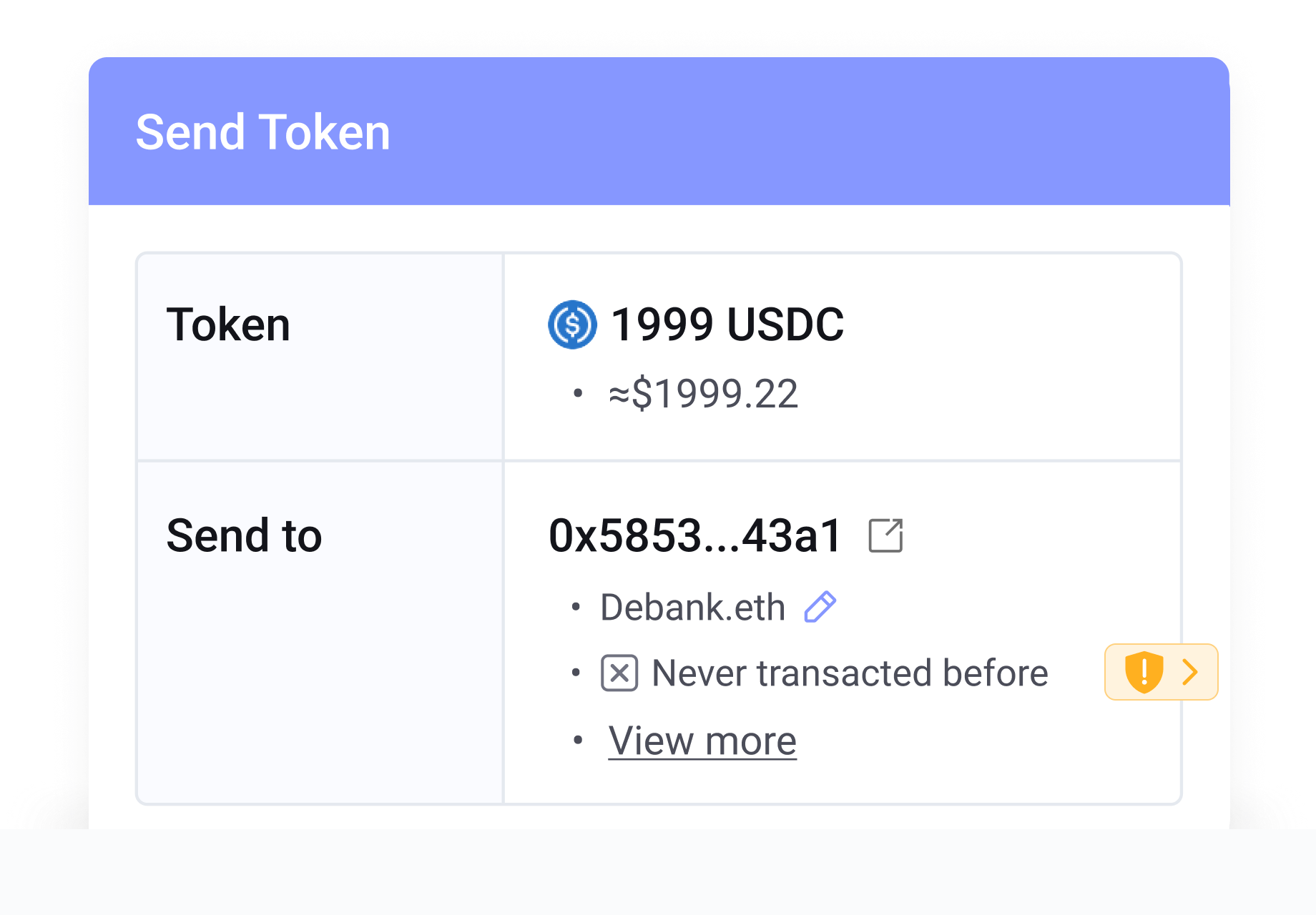
Hmm… I should say I’m biased toward tools that let you audit transactions visually. The weird part is how few extensions bake this in by default—most hide the details behind a ‘View more’ link or worse. Check this out—real-world workflows get faster when you trust previews and can batch approvals. Okay, so a pragmatic pick for me became rabby wallet because it balances multi-chain support with transaction simulation and a developer-friendly mindset.
Where simulation meets everyday DeFi
I use the extension for swaps, bridging, and contract interactions. My instinct said every interaction should be previewed, and that habit saved me money twice this year. On a practical note, rabby wallet gives you expandable calldata views right inside the pop-up. Seriously, being able to see the exact token approval amounts and method signatures before signing is a life saver. I’m not 100% evangelical—there are trade-offs like extension attack surface and needing careful permission hygiene.
Here’s what bugs me about the broader ecosystem. Too many users rush confirmations because UX nudges them to be quick, and that hurts everyone. Initially I thought education would fix that, but actually tooling that reduces cognitive load is more effective. So my takeaway is simple: prefer a wallet that simulates and explains. You might still have to double-check things manually, but simulations turn guesswork into evidence, and that’s worth it.
Quick FAQ
What is transaction simulation?
It’s a dry-run of the transaction on the chain state without broadcasting it.
You can see whether it would revert, how much gas it would use, and what state changes would occur.
Is a Chrome extension safe enough?
Extensions add attack surface, so you should audit permissions and use hardware wallets when possible.
Still, a well-reviewed extension that emphasizes previews and simulation reduces user error significantly—so it’s a net win for experienced users who practice good hygiene.
I’m biased, sure. But when the rubber meets the road, simulation + clear multi-chain context have saved me from dumb mistakes more than once. Try it out yourself and see what changes in your workflow—somethin’ will shift for the better.